Beautiful Corner
A Designer’s First Impression
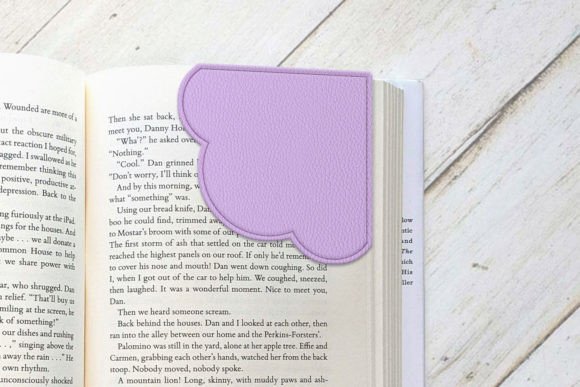
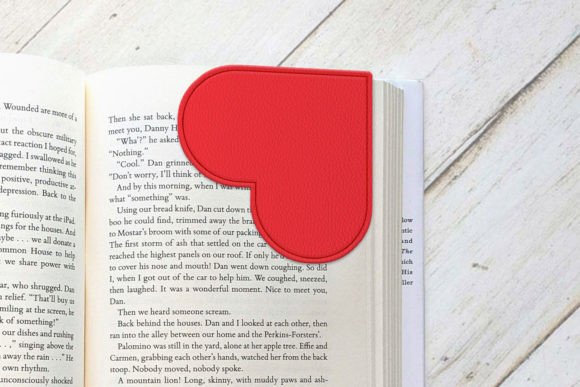
From the moment I first saw Beautiful Corner, I felt a quiet confidence in its design. It carries a sense of elegance without being overly complex, and it has that subtle charm that makes it feel like something you’d find in a curated boutique or on a handmade table. The shape is clean, the lines are intentional, and the overall composition feels balanced. It doesn’t shout for attention, but it does make a statement—just the right amount to catch the eye without overwhelming the viewer.
Where Does Beautiful Corner Belong?
Beautiful Corner seems to be designed with versatility in mind. Its border-like structure suggests it could work well as an accent rather than a central motif. I imagine it adorning the corners of tablecloths, pillow covers, or even the edges of aprons and tote bags. It’s not too large to overwhelm smaller items, nor is it too small to be ignored. This makes it ideal for adding a touch of refinement to everyday products.
I can see it working beautifully on a custom embroidered tote bag, where it would frame the top corner with a soft, decorative edge. It also feels like it could fit seamlessly into a baby item, such as a onesie or blanket, adding a gentle, artistic detail. For a more mature application, it might look great on a holiday gift like a personalized tea towel or a patch for a cap or hat.
Real-Life Testing: How Does It Perform?
To get a better sense of how Beautiful Corner performs in real embroidery situations, I thought about using it on a sweatshirt. The design’s simplicity means it should stitch cleanly, but I’m always cautious about how it looks when applied to different fabric types and colors.
On a light-colored cotton t-shirt, the design would pop, especially if paired with darker thread colors. However, on a dark fabric, the contrast might be less pronounced, so it’s important to test thread color choices carefully. I would recommend testing the design on scrap fabric first, especially if you're planning to use it for commercial purposes or sell finished products.
Another thing to consider is stitch density. A design like Beautiful Corner relies on clean lines and minimal fill, which means it should stitch smoothly on most machines. However, if the file is dense in certain areas, it might cause issues with hoop size or machine performance. Always check the hoop size before proceeding, and ensure that your stabilizer is appropriate for the fabric type and design complexity.
Design Considerations for Real Projects
When working with Beautiful Corner, there are a few key considerations to keep in mind. First, it’s not suited for very small hoop sizes. The design’s scale means it needs enough space to maintain its visual integrity. If you’re using it on a cap or a curved surface, be sure the design will fit without distortion or stretching.
Also, the design may not perform well on textured fabrics or stretchy materials. These can cause the stitches to shift or appear uneven. On the other hand, it might work well on smooth, flat surfaces like denim or linen. Testing on a variety of fabrics is essential, especially if you’re planning to offer this design as part of a craft business or Etsy listing.
One area where Beautiful Corner could be tricky is in dense stitch areas. While the design is generally clean, some parts might require careful attention during stitching. As a designer, I always recommend inspecting small details and ensuring that the design works both in black and white mockups and in full color.
Visual Appeal and Customer Trust
The visual appeal of Beautiful Corner is undeniable. It adds a refined touch to any project without being too bold. This makes it a great choice for customers who want a subtle yet meaningful addition to their handmade products. When used in a product like a personalized gift or a custom apparel piece, it can significantly enhance the perceived value of the item.
From a customer trust perspective, a well-executed design like Beautiful Corner can make all the difference. It shows that the product is thoughtfully made and professionally designed. This is especially important for Etsy sellers and small shop owners who rely on reputation and quality to attract buyers.
Practical Design Notes for Embroidery Professionals
If you’re considering using Beautiful Corner for your own projects or selling it as a digital embroidery file, there are a few practical steps to take. First, test the design on scrap fabric to ensure it stitches cleanly and maintains its intended shape. Check thread color contrast, especially when working with dark or light backgrounds.
Review the stitch density to confirm that it works well on your machine and with the fabric you plan to use. Confirm the hoop size and stabilizer type, as these factors can greatly affect the final outcome. Always test the design in black and white mockups to see how it looks in different lighting conditions.
Finally, make sure you have the proper licensing for the design, especially if you intend to sell finished products or digital files. Beautiful Corner is a versatile design, but it’s important to understand its limitations and how it fits into your creative workflow.